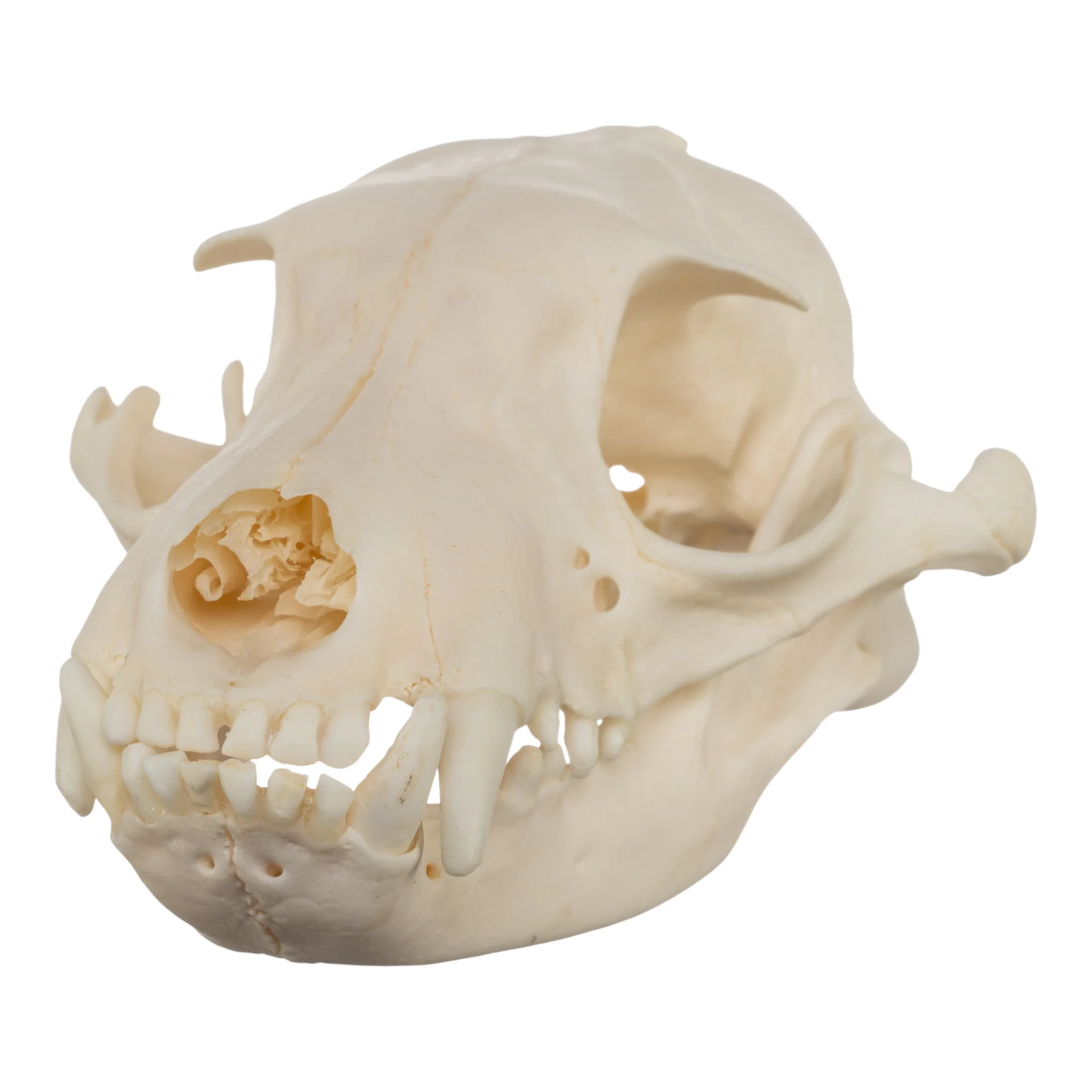
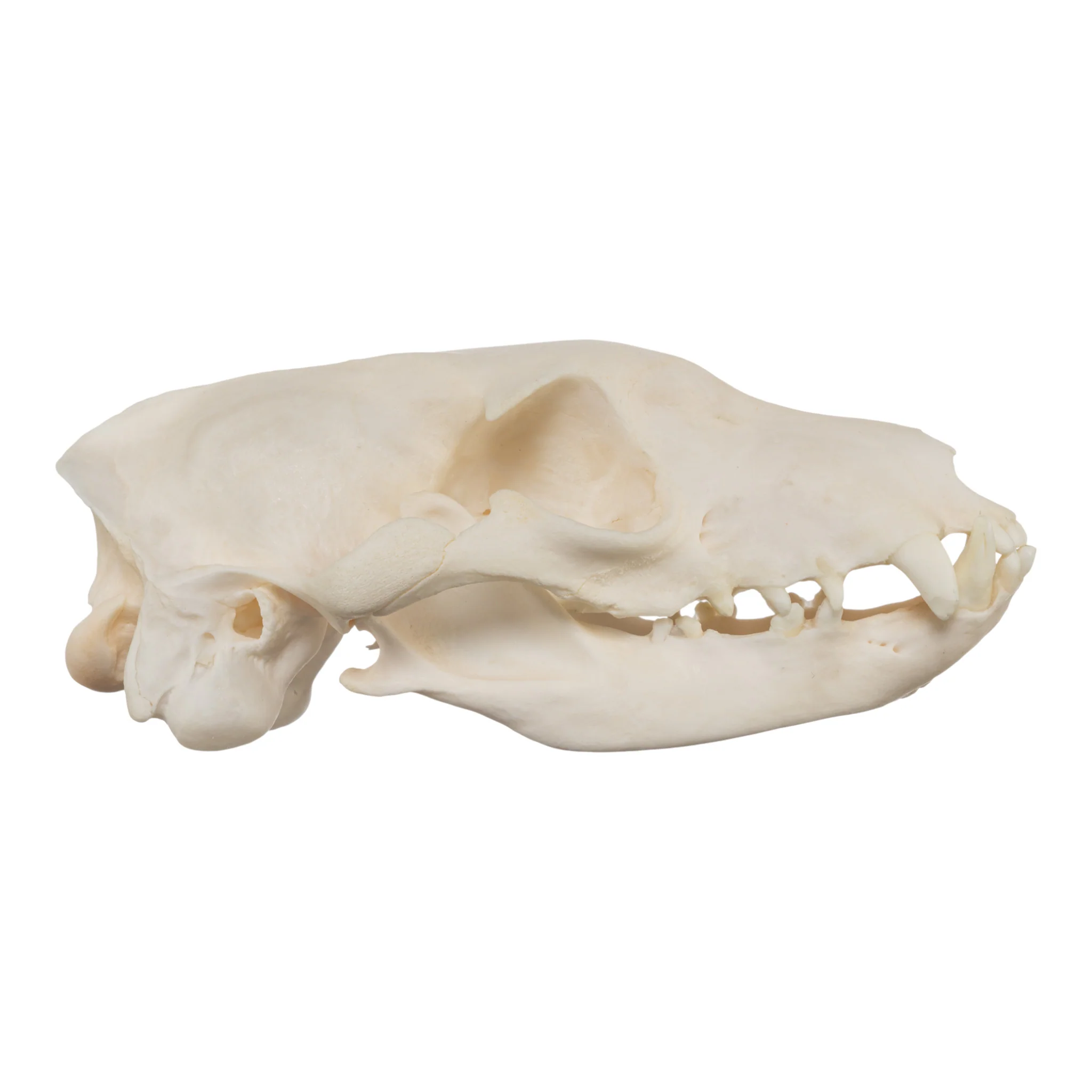
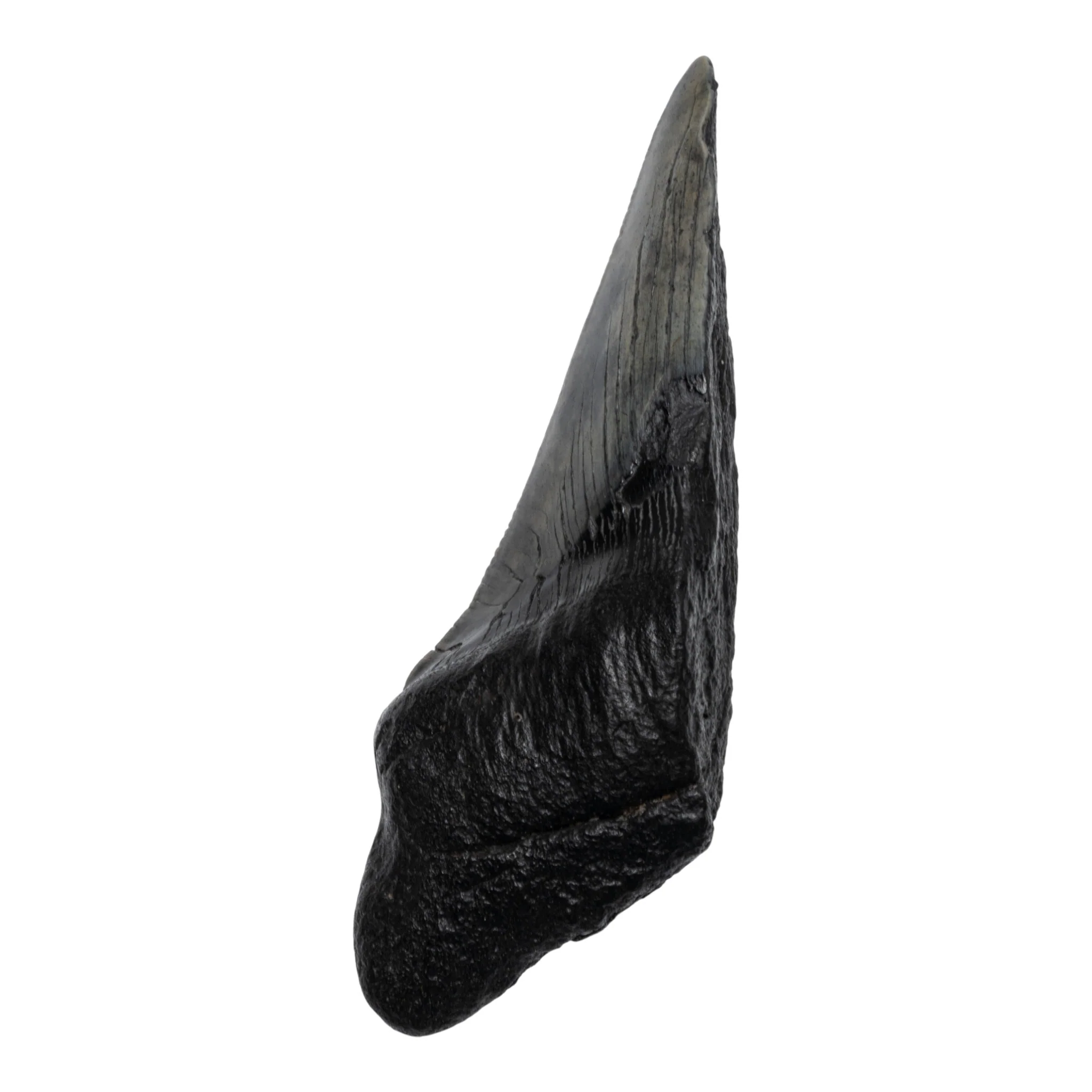
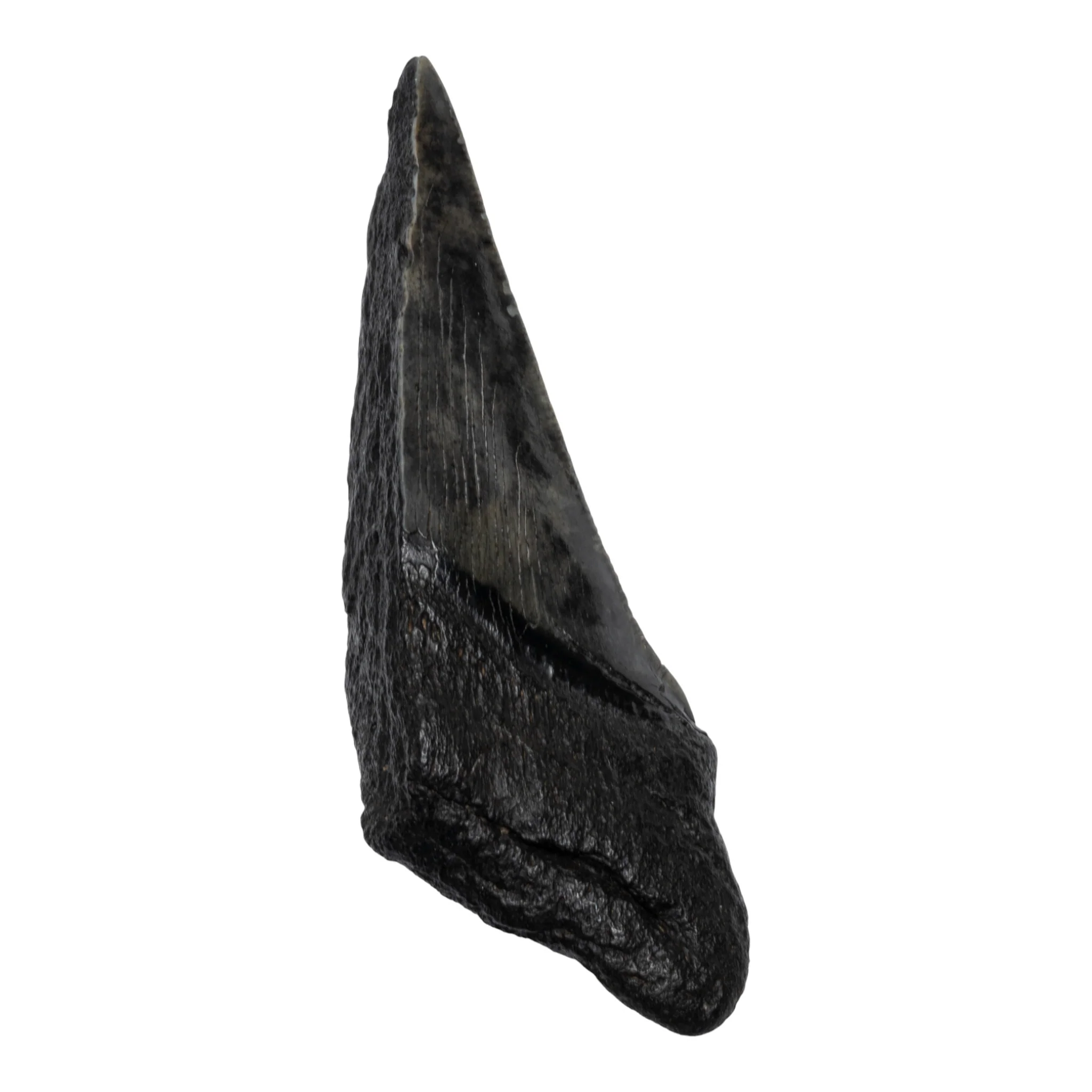
This partial African Lungfish skeleton is a compact yet scientifically significant specimen. The cranial elements bear hand-written documentation, preserving detailed provenance information. Despite its small size, this skeleton represents one of nature's most extraordinary adaptations—a fish capable of dual respiration through gills and primitive lungs, and able to survive months of drought in dormancy. An exceptional addition for collectors and educators interested in vertebrate evolution and paleontology.
The West African Lungfish is a remarkable freshwater fish native to rivers, floodplains, and swamps throughout western and central Africa. As one of the world's few living lungfish species, it possesses both gills and a primitive lung, allowing it to breathe air when oxygen levels in the water are low. During seasonal droughts, the West African Lungfish can survive for months encased in a cocoon of dried mucus buried within the mud, entering a state of dormancy known as aestivation. This ancient lineage provides valuable insight into the evolutionary transition between aquatic and terrestrial vertebrates, making it one of the most scientifically significant fish species alive today.
Specifications:
- Exhibits hand-written verbiage on cranial elements
- Skeleton - Partial Length 5.2 cm (2 in)
- Skeleton - Partial Width 4.3 cm (1.7 in)
- Skeleton - Partial Height 2.1 cm (0.8 in)